Anime Zombie Arena Team Building Guide
Build 25-player lobby coverage with roles, clear calls, and kit diversity—not identical stacks.
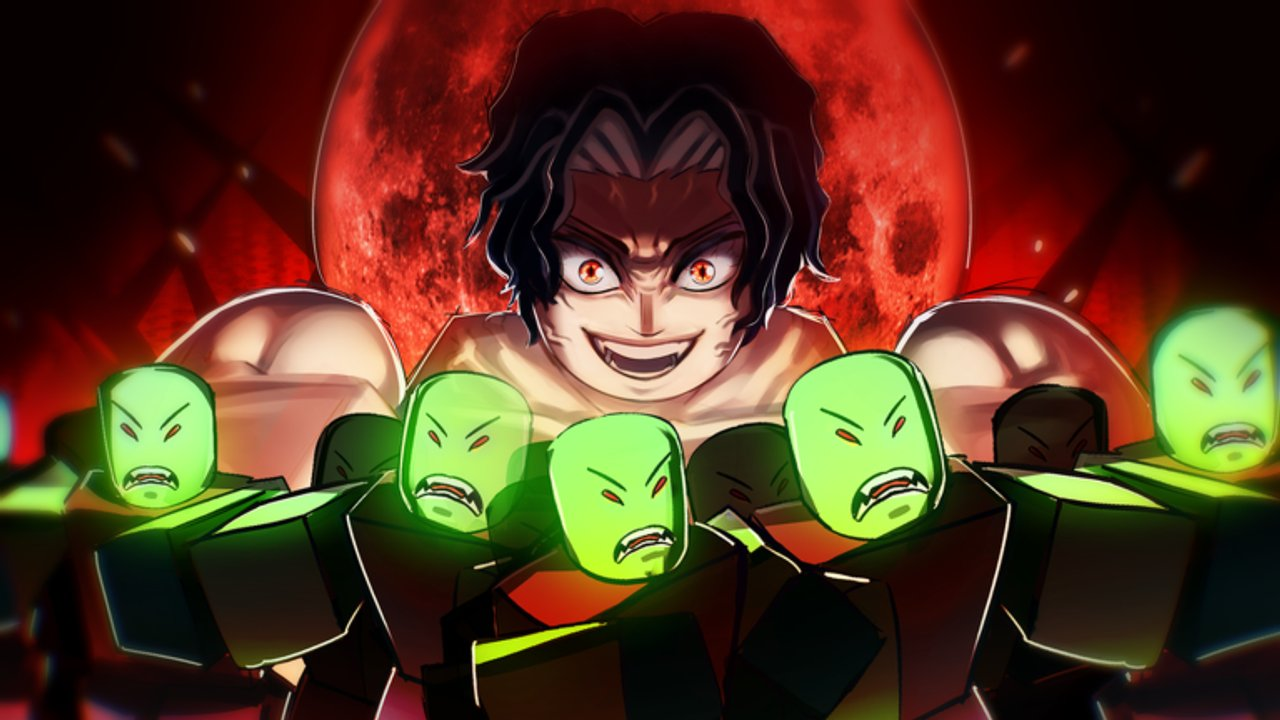
Team building is an official pillar of Anime Zombie Arena, not a side hobby. Rubicon Z’s free Roblox survival arena asks you to survive endless zombie waves, unlock classes with unique abilities, summon legendary units, defeat bosses, and assemble something that still works when the lobby climbs toward 25 players. This guide covers lobby role frameworks (DPS, support, sustain, summoner), communication habits, why identical kits fail, and when to regroup—without inventing roster names that will rot after the next update.
New players should skim Getting Started and How to Play first. Use the Loadout Planner to lock tonight’s role before you queue.
Why 25-player lobbies break “solo carry” thinking
In a small party, one strong player can paper over gaps. In a crowded Anime Zombie Arena server:
- Space becomes contested—bad pathing blocks allies as much as zombies.
- AoE and support ranges either amplify a plan or heal empty air.
- Identical damage stacks clear early trash quickly, then fold when sustain and peel are missing on bosses.
- Uncalled summons collide, waste resources, or die in the first wipe animation.
Your personal skill still matters. Coverage decides whether that skill has a stage.
Role frameworks (use these labels in chat)
Map every class you unlock to a primary job. Hybrids exist; still announce the job you will actually play tonight. Deep kit theory: Classes Guide. Ranking pillars: Class Tier List.
DPS
Job: delete trash and burn boss windows.
Wins when: resets are clean and priority targets die on schedule.
Fails when: you die first to telegraphs and the lobby loses its clear engine.
Ask in chat: “Who else is pure DPS?” If the answer is “everyone,” consider switching.
Support
Job: keep effective HP and uptime high through heals, buffs, cleanses, or utility—whatever your live kit provides.
Wins when: you stand where the densest ally cluster can receive value without eating every cone.
Fails when: you spectate from too far away or tunnel the party and ignore your own feet.
Sustain / tank-leaning
Job: stabilize space, absorb mistakes, and buy cast time for others.
Wins when: the lobby uses the lane you hold instead of kiting into random corners.
Fails when: nobody respects the hold and you become a lonely sponge.
Summoner framework
Job: multiply pressure with class tools that synergize with summonable legendary units.
Wins when: summon drops land on called spikes and allies protect or amplify them.
Fails when: resources dump into empty space or into known wipe animations.
Full timing rules: Units and Summons. Evaluation: Unit Tier List.
You do not need a perfect MMO raid comp. You need at least one person thinking about each failure mode: slow clear, no sustain, no utility, no timed burst.
Kit diversity beats fashion stacks
Stacking identical kits feels strong for thirty seconds. Then the wave profile changes.
Symptoms of a bad stack
- Early waves melt; first elite spike or boss pattern causes a chain wipe.
- Everyone’s panic buttons are the same button, so cooldowns align into feast-or-famine.
- Nobody can peel flanks because every player is hunting the same highlight pack.
- Summon jobs all cover damage and nobody covers distraction or sustain-style unit work.
Fix
- Count roles out loud or in chat (even rough counts help).
- Volunteer for the ** scarcest** useful job you can execute on your device.
- Retune unit choices to cover the class weakness—not to duplicate it (Units and Summons).
- Recheck investments with Tier List Hub criteria: clear speed, survivability, co-op value, unlock cost efficiency.
Public lobbies will not always cooperate. Still micro-optimize: if six strangers claim DPS, your sustain pick raises the clear odds more than a seventh blaster.
Communication that fits Roblox chat
Long essays die mid-fight. Use short calls:
| Call | Meaning |
|---|---|
| “DPS mid” / “sustain east” | Role and default lane |
| “Stack” / “spread” | Formation change for AoE vs telegraphs |
| “Summon on next elite” | Shared burst window |
| “Save CDs” | Hold panic tools for a known spike |
| “Regroup pad” | Reset to a named landmark |
| “Leaking north” | Flank problem needs peelers |
One useful call per spike beats silence followed by blame. Tune inputs so you can move while typing less—see Controls.
Friends groups can add a shot-caller voice for boss pulls. Public lobbies can still manage with two or three calm typists.
When to regroup
Regroup is a strategy tool, not a shame flag.
Regroup when
- Three or more players drop on the same telegraph pattern.
- Flank spawns have split the lobby into unsupportable islands.
- Summon resources were wasted and the next spike is already spawning.
- Chat is arguing roles instead of holding a lane.
- You are about to transition from farm waves into a boss attempt without a plan (Boss Guide).
How to regroup cleanly
- Call a landmark (“regroup fountain,” “regroup west wall”—use whatever the live map shows).
- Disengage on purpose; do not greed one more pack.
- Re-state roles in one line.
- Re-state the next spend or summon rule.
- Resume only when the core cluster is alive and facing the same direction.
If the public lobby refuses structure, shrink your ambition: protect your own reset lane, thrift summons, and treat the session as practice rather than a record push (Wave Survival Strategy).
Building for wave phases
Team needs shift across the run—pair this with Wave Survival Strategy:
- Early: enough clear to fund the run; light sustain; learn pathing together.
- Mid: add coverage for flanks and timed summons; fix the missing role.
- Late / boss: prioritize telegraph survival, burst windows, and wipe recovery over pure trash greed.
Farm-focused nights may overweight clear speed, but still keep a sustain floor so deaths do not erase progress per minute (Farming Guide).
Pre-session checklist (copy this)
- Claim Codes if any are live.
- Pick a primary role and backup role.
- Pick summon jobs that cover your weakness.
- Set a wave or unlock goal and a stop condition.
- Paste the plan into the Loadout Planner.
- Skim Updates if you have been away—balance passes change what “coverage” means.
Practice drills for better teammates
- Role lock drill — play one job for a full session; no kit hopping.
- Callout drill — make three useful calls before each boss pull.
- Coverage drill — intentionally fill the scarcest role in a public lobby for thirty minutes.
- Regroup drill — on the next messy mid-wave, call a landmark reset and measure how fast the lobby rebuilds.
- Summon sync drill — only summon on a called window for an entire run.
Log which drill failed. That points you back to Controls, Classes, Summons, Wave Strategy, or Boss pages—not to random unlock shopping.
Common team-building mistakes
- Copying a “best class” meme without checking lobby gaps.
- Never announcing a role, then blaming strangers for stacking.
- Treating summons as personal cosmetics instead of shared burst tools.
- Refusing to regroup because ego wants one more pack.
- Building only for trash waves and discovering the hole on the first boss telegraph.
- Ignoring device limits—complex support kits on muddy mobile inputs help nobody (Controls).
Related reading
- Wave Survival Strategy — early/mid/late pacing and spend vs save.
- How to Play — positioning and ability timing inside co-op.
- Classes Guide — choosing archetypes.
- Units and Summons — summon economy.
- Boss Guide — composition under telegraphs.
- Farming Guide — when the team’s goal is progression.
- Class Tier List and Unit Tier List — investment scoring.
- Loadout Planner — pre-queue checklist.
- Guides Hub — full guide map.
Call a role, cover a gap, regroup on purpose—and Anime Zombie Arena’s 25-player chaos turns into a team that can climb waves instead of a crowd that shares a wipe screen.
Frequently Asked Questions
Quick answers for Anime Zombie Arena players.
What roles should a 25-player Anime Zombie Arena lobby cover?
Aim for coverage across DPS, support, sustain/tank-leaning, and summoner frameworks. Perfect raid comps are unnecessary; missing failure modes are deadly.
Why is stacking identical kits a problem?
Identical stacks clear early trash but share the same weaknesses, panic buttons, and summon jobs—so elite spikes and bosses punish everyone at once.
How should we communicate in public lobbies?
Use short calls for role, lane, stack/spread, summon windows, and leaks. One useful line per spike beats long mid-fight essays.
When should the lobby regroup?
After multi-downs, bad splits, wasted summons, role arguments, or before a boss transition. Call a landmark, reset together, restate roles, then resume.
Do I need friends for team building?
No. Public lobbies support up to 25 players. Announce your role, fill scarce jobs, and thrift summons even if strangers ignore perfect plans.
Where do I plan a team before queueing?
Use the Loadout Planner for role, unit jobs, wave goals, and boss checks. Pair it with the Classes Guide, Units and Summons, and the tier-list hubs.